DBNPA 20% Biocides for Reverse osmosis
DBNPA 20% Biocides for Reverse osmosis
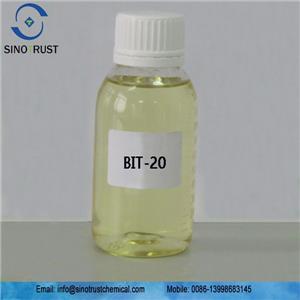
Product name: 2.2-Dibromo-3-Nitrilopropion Amide 20% Solution
Short name: DBNPA 20%
CAS No.: 10222-01-2
The active ingredient of DBNPA-20 is a formulation having a 2,2-dibromo-3-nitropropionamide (DBNPA) content of 20%. DBNPA-20 is effective at very low concentrations and can kill bacteria, fungi and yeast on a broad spectrum. DBNPA-20 antimicrobials are completely miscible with water and are therefore easily dispersed into the system. Effective sterilization is usually achieved in just a few minutes, rather than a few hours.
Features
DBNPA-20 fungicide is a water-soluble formula. The rational use of this fungicide can bring many advantages to the reverse osmosis membrane system:
1. Non-oxidizing bactericide, does not affect the stability of chemical and physical structure of reverse osmosis membrane
2, fast sterilization speed, low concentration
3. Extensive killing of bacteria, fungi, yeast and algae microorganisms
4, the original liquid is added directly, easy to use
Application:
DBNPA-20 reverse osmosis special fungicide is a fast-acting broad-spectrum fungicide. For reverse osmosis membrane desalination systems that utilize industrial wastewater, seawater, and other surface waters containing microbial sources as a source of water, biocontamination of membrane fouling is a ubiquitous problem. The incompatibility of chlorine gas and other oxidizing biocides commonly used in water treatment with polyamide reverse osmosis limits the use of such bactericides. DBNPA-20 is a class of non-oxidizing biocides used to control microbial special biocides in reverse osmosis membrane systems.It is important to note that when DBNPA-20 is applied to a reverse osmosis membrane system, it is largely repelled by the composite membrane and the residual amount at the drain end is very low.
DBNPA-20 has been widely used in industrial water and reverse osmosis and papermaking water systems, and is effective against bacteria, fungi, yeasts, blue-green algae and other algae even at low concentrations.